Source Asphalt Planer Auger Blades for Paving, Road, and Construction
Compare 30 listings for asphalt planer auger blades from verified Chinese manufacturers. Buyers can evaluate specifications like high chromium casting and alloy steel materials, along with certifications such as ISO 9001 and CE for paving machinery applications.
Key considerations
Products List


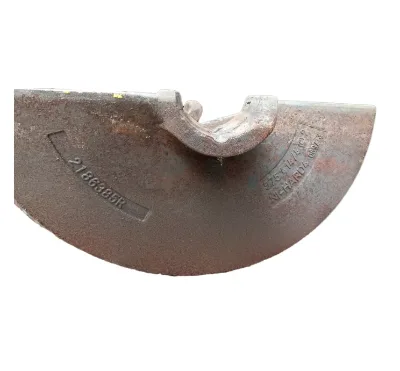
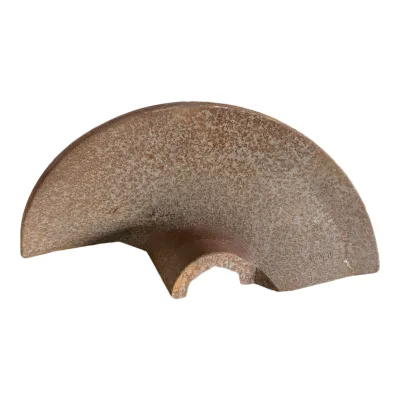
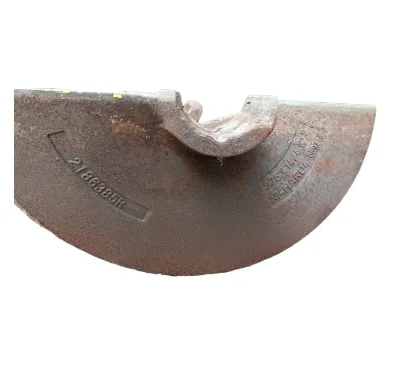


Comprehensive Sourcing Guide
Strategic Sourcing Guide for Asphalt Planer Auger Blades
The procurement of asphalt planer auger blades represents a critical decision point for construction equipment operators and fleet managers. These components are classified as high-wear parts essential for the efficient operation of paving machinery, directly influencing the quality of the asphalt concrete pavement laid. Sourcing these items requires a disciplined approach that balances technical specifications, material integrity, and supply chain reliability. The following guide outlines the essential factors buyers must evaluate when researching the core keyword "asphalt planer auger blades," utilizing observed market data and verified product attributes to inform decision-making.
Technical Specifications and Material Composition
The performance of an auger blade is fundamentally dictated by its material composition and manufacturing process. In the current market, high-chromium casting and alloy steel are the predominant materials observed for these components. High-chromium casting offers superior resistance to abrasion, which is the primary failure mode for auger blades as they cut through compacted asphalt and aggregate. Alloy steel variants provide a different balance of toughness and hardness, often selected for applications requiring resistance to impact rather than pure abrasion.
Manufacturing processes vary significantly between suppliers. The observed market includes products produced via lost foam casting and investment casting, which are suitable for complex geometries and high-precision requirements. Conversely, forging is also a documented process for specific blade types, offering enhanced grain structure and mechanical strength. Buyers must verify which process aligns with their specific operational demands. For instance, lost foam casting may be preferred for intricate designs, while forging might be necessary for heavy-duty, high-impact environments.
The product models available in the market are diverse, ranging from generic multi-type specifications to specific part numbers such as RM-01, 4606302055, D727180103, and 4606302115. Some listings also reference compatibility with specific machinery brands and models, including Dynapac series like S1800, S1900, and S2100, as well as other identifiers like W8EHR. This variability necessitates a rigorous cross-referencing of the existing auger assembly against the supplier's model list to ensure physical compatibility. The "Part Series" designation often categorizes these items as "Quick-Wear Part," indicating they are consumables intended for regular replacement rather than permanent installation.
Compliance, Certification, and Standards Verification
Ensuring that purchased components meet international and industry-specific standards is a non-negotiable aspect of B2B procurement. The market data indicates a strong presence of ISO 9001 certification among suppliers, often cited in conjunction with other standards such as RoHS and CE. These certifications suggest that the manufacturing facility adheres to established quality management systems, which is a prerequisite for consistent product quality.
Beyond general quality management, specific industry standards play a crucial role in defining the acceptability of the product. Observed listings reference a wide array of standards including DIN, ASTM, GOST, GB, JIS, ANSI, BS, ASME, and AISI. The presence of these standards implies that the blades are manufactured to meet specific dimensional, material, and performance criteria recognized globally. However, buyers must not assume that every listed product satisfies all these standards simultaneously. Instead, the procurement strategy should involve requesting specific test reports or certification documents that verify compliance with the standard most relevant to the buyer's local regulations and equipment manufacturer requirements.
For example, if the machinery is operated in a region requiring strict environmental compliance, the RoHS certification becomes a critical verification point. Similarly, if the equipment is part of a fleet subject to specific safety regulations, the CE mark or equivalent regional certification must be validated. The "Standard" attribute in product listings often varies from generic "High quality" or "Standard" to specific technical codes. Buyers should prioritize suppliers who can explicitly map their product specifications to the relevant DIN, ASTM, or GB standards rather than relying on vague quality descriptors.
Cost Drivers and Pricing Dynamics
The pricing structure for asphalt planer auger blades is influenced by a complex interplay of material costs, manufacturing complexity, and order volume. The observed price range in the market spans from $1 to $510 USD, reflecting the vast difference between individual replacement teeth, small batches of blades, and comprehensive kits or high-specification forged components. This wide variance underscores the importance of defining the exact scope of the purchase before requesting quotes.
A primary cost driver is the Minimum Order Quantity (MOQ). The market data reveals an MOQ range from 1 PC to 300 units. Suppliers with an MOQ of 1 PC often cater to emergency repairs or small fleet maintenance, typically commanding a higher unit price due to the lack of economies of scale. Conversely, suppliers requiring an MOQ of 300 units are likely targeting large-scale distributors or major construction firms, offering lower per-unit costs in exchange for bulk commitment. Buyers must evaluate their inventory turnover rates and storage capabilities to determine the optimal order size.
Additional cost factors include the complexity of the casting or forging process and the specific material grade used. High-chromium casting and alloy steel forging generally incur higher material and processing costs compared to standard steel alternatives. Furthermore, packaging requirements, such as wooden crates, pallets, or specialized cartons loaded onto crates, add to the overall landed cost. The "Performance" attribute, often listed as "OEM/Original," can also influence pricing, as components marketed as direct replacements for original equipment manufacturers often carry a premium over generic equivalents.
Typical Applications and Operational Context
Understanding the specific application environment is vital for selecting the correct auger blade. The primary application for these components is paving machinery, specifically for asphalt concrete pavement construction. The auger system is responsible for distributing the hot mix asphalt evenly across the paving width, and the blades are subjected to extreme wear, heat, and mechanical stress.
The product attributes indicate that these blades are designed for "Asphalt Concrete Pavement" and are categorized under "Paving Machinery." The "Type" is frequently identified as "Bucket Teeth" or general "Spare Parts," suggesting their role in the cutting and conveying mechanism of the planer. The "Condition" is consistently listed as "New," which is standard for replacement parts but requires verification upon delivery to ensure no defects exist.
Operational context also dictates the choice between different material types. For example, in environments with high silica content in the aggregate, high-chromium casting may be preferred for its abrasion resistance. In contrast, applications involving heavy impact from large rocks or debris might benefit from the toughness of forged alloy steel. The "Guarantee" terms, such as "Half a Year or 1000 Working Hours," provide a benchmark for expected service life, but actual performance will depend heavily on the specific mix composition and operating conditions. Buyers should align their procurement strategy with the anticipated workload and the specific mix designs they handle.
Supplier Evaluation and Logistics
Selecting a reliable supplier involves more than just comparing price and specifications. The geographic origin of the product is a significant factor, with "China" and specifically "Anhui China" being prominent origins in the current market. This concentration of manufacturing hubs suggests a mature supply chain but also necessitates careful vetting of individual suppliers to ensure they meet the buyer's quality expectations.
Logistics and delivery terms are critical components of the procurement process. The observed market offers various delivery terms including EXW, FOB, CIF, CNF, and FCA, allowing buyers to control the logistics chain based on their capabilities. The "Shipping Port" is frequently identified as Shanghai Port, a major hub for international trade. Lead times vary, with some listings indicating a delivery time of "3 Days After Payment," while others may have longer production cycles depending on the order size and manufacturing process.
Payment terms are another area of evaluation, with T/T (Telegraphic Transfer) being the standard method observed. Buyers should negotiate terms that balance risk and cash flow, such as partial payments before production and the remainder upon shipment. The "Brand Name" attribute, such as "Kaito OEM," indicates that some suppliers offer branded products, which may imply a higher level of quality control or specific design rights. However, buyers should remain cautious and verify that the brand name does not imply a false claim of being the original equipment manufacturer unless explicitly authorized.
Quality Control and Long-Term Procurement Considerations
Effective quality control is essential to mitigate the risks associated with high-wear parts. The "Quality" attribute is often listed as "High," but this is a subjective claim that must be substantiated through objective measures. Buyers should request detailed inspection reports, material certificates, and dimensional checklists before finalizing orders. The "Standard" attribute, ranging from generic "Standard" to specific codes, should be used as a baseline for these quality checks.
Long-term procurement considerations involve building a relationship with suppliers who can provide consistent quality over time. The "Customization" attribute being "Available" is a significant advantage, allowing buyers to tailor blades to specific machine configurations or operational needs. This flexibility can lead to improved equipment performance and reduced downtime. Additionally, the "Product Packing" options, including wooden crates, pallets, and boxes, should be evaluated to ensure they provide adequate protection during transit, especially for international shipments.
Buyers should also consider the total cost of ownership rather than just the initial purchase price. A blade with a higher upfront cost but a longer service life, as suggested by the "Guarantee" terms, may prove more economical in the long run. The "Performance" attribute, often linked to OEM standards, suggests that high-quality blades can maintain the efficiency of the paving machinery, reducing fuel consumption and improving the quality of the pavement. By focusing on these long-term factors, buyers can optimize their procurement strategy and ensure the reliability of their paving operations.
Summary of Key Procurement Factors
To facilitate a streamlined decision-making process, the following table summarizes the critical attributes and verification points for sourcing asphalt planer auger blades.
| Attribute Category | Key Observations | Verification Requirement |
|---|---|---|
| Material | High Chromium Casting, Alloy Steel, Carbide | Request material test reports (MTR) for composition. |
| Process | Lost Foam Casting, Investment Casting, Forging | Confirm process suitability for specific wear conditions. |
| Certification | ISO 9001, CE, RoHS | Verify current certificate validity and scope. |
| Standards | DIN, ASTM, GOST, GB, JIS, ANSI, BS, ASME, AISI | Match specific standard to local regulations and OEM specs. |
| MOQ | 1 PC to 300 Units | Align order volume with inventory capacity and budget. |
| Packing | Wooden Crate, Pallet, Cartons, Boxes | Ensure packaging protects against transit damage. |
| Origin | China (including Anhui) | Assess logistics lead times and shipping costs. |
| Delivery | EXW, FOB, CIF, CNF, FCA | Select Incoterm based on risk tolerance and logistics capability. |
By adhering to these guidelines and rigorously verifying the provided attributes, buyers can navigate the complex market for asphalt planer auger blades with confidence. The focus should remain on matching technical specifications to operational needs, ensuring compliance with relevant standards, and establishing a reliable supply chain that supports long-term equipment performance.
FAQs
What materials are used for asphalt planer auger blades?
High-chromium casting and alloy steel are the predominant materials observed for these components. High-chromium casting offers superior abrasion resistance, while alloy steel variants provide a balance of toughness and hardness for impact resistance.
Which manufacturing processes are available for these blades?
Lost foam casting and investment casting are common processes suitable for complex geometries. Forging is also documented for specific blade types, offering enhanced grain structure and mechanical strength for heavy-duty environments.
Can I find blades with ISO 9001 certification?
Yes, ISO 9001 certification is frequently cited among suppliers for these products. Many listings also include RoHS and CE certifications, indicating adherence to established quality management systems and international standards.
What is the typical minimum order quantity for these parts?
The minimum order quantity ranges from 1 PC to 300 units depending on the supplier. Lower MOQs often cater to emergency repairs, while higher MOQs target large-scale distributors with lower per-unit costs.
How are these auger blades typically packaged for shipping?
Packaging options include wooden crates, pallets, and cartons loaded onto crates. Specific dimensions like 1300mm by 900mm by 800mm are observed for certain crate configurations to ensure protection during transit.
What is the expected delivery time after payment?
Some listings indicate a delivery time of 3 days after payment. However, lead times may vary based on order size and the specific manufacturing process required for the requested specifications.